

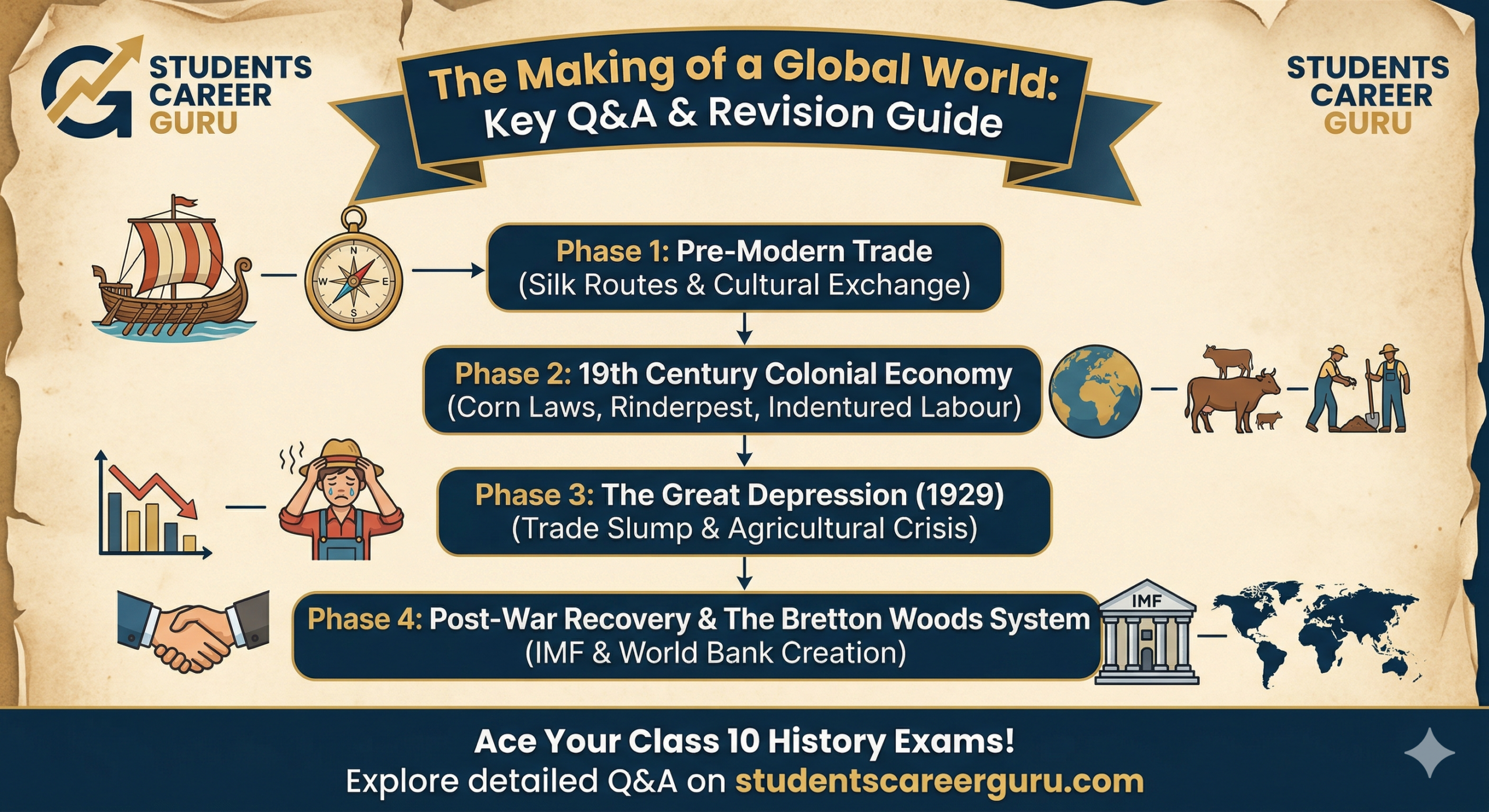
The Making of a Global World: Key Q&A & Revision Guide CLASS ORB.COM
Class 10 – इतिहास (NCERT) | अध्याय 4
The Making of a Global World: एक कहानी के ज़रिये
Teacher: Om Sikarwar | Website: CLASS ORB.COM
The Making of a Global World: Key Q&A & Revision Guide Audio Notes Part 1
Introduction: The Making of a Global World question answers and PDF Notes
Hello students! Today, we are studying a chapter that connects our past to the modern world. If you’ve been searching for The Making of a Global World: Key Q&A & Revision Guide PDF and Notes, you are in the right place. अक्सर हमें लगता है कि Globalisation सिर्फ आज की बात है, but actually, its roots go back thousands of years! From the ancient Silk Routes carrying Chinese silk to the tragic Potato Famine in Ireland, history is full of fascinating connections.
In this session, I, Om Sikarwar, will explain how Trade, Labour, and Capital flows shaped the 19th-century economy. हम समझेंगे कि कैसे Rinderpest ने अफ्रीका को बदला और Great Depression ने पूरी दुनिया की कमर तोड़ दी। Whether you’re preparing for CBSE boards or UPSC, these notes on The Making of a Global World question answers will make everything crystal clear. Let’s start this journey from 3000 BCE to the modern era of MNCs and Bretton Woods! Cheers!
Characters: Arjun (Delhi) • Priya (Chennai) • Rohan (Kolkata) • Sonu (Jaipur) • Sir Om Sikarwar
शुरुआत — chapter 4 History The making of a global world
Om Sir की Class 10-B में चार दोस्त हैं — Arjun जो Delhi से है, Priya जो Chennai से है, Rohan जो Kolkata से है, और Sonu जो Jaipur से है। आज Monday है। Sir ने blackboard पर एक line लिखी —
Sir Om Sikarwar: “आज हम समझेंगे — यह दुनिया एक ‘Global World‘ कैसे बनी? कब से? और India इस पूरी process में कहाँ था?”
Arjun: “Sir, Globalisation तो 1990 के बाद आया ना — जब Liberalisation हुआ?”
Sir Om Sikarwar: “Arjun, बहुत अच्छी starting! लेकिन यह chapter बताता है — Globalisation की जड़ें बहुत पुरानी हैं। चलते हैं… सीधे 3000 BCE से!”
SECTION 1 — प्राचीन काल (The Pre-Modern World)
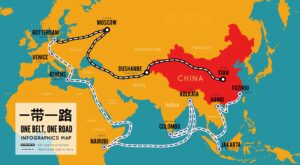
1.1 Silk Routes — दुनिया का पहला Global Highway
Sir ने एक बड़ा map उठाकर class में रख दिया। Rohan आगे झुक गया — उसे Geography में बहुत interest था।
Sir Om Sikarwar: “देखो — 3000 BCE में Indus Valley Civilisation और present-day West Asia के बीच एक active trade चलती थी। लोग goods, money, skills, ideas — सब कुछ लेकर चलते थे। और साथ में germs और diseases भी!”
Rohan: “Sir, ‘Silk Routes‘ नाम क्यों पड़ा? क्या सिर्फ silk ही बेची जाती थी?”
Sir Om Sikarwar: “नाम थोड़ा misleading है Rohan! ‘Silk Routes‘ इसलिए पड़ा क्योंकि West की तरफ Chinese silk ले जाई जाती थी। लेकिन actually इन routes पर textiles, spices, precious metals — gold और silver — सब travel करते थे। साथ में Buddhist missionaries, Muslim preachers, उनके ideas, और हाँ — diseases भी!”
Silk Routes — मुख्य तथ्य
➤ Land AND Sea — दोनों तरह के routes थे।
➤ Asia, Europe और Northern Africa को आपस में जोड़ते थे।
➤ Christian Era से भी पहले exist करते थे।
➤ 15th century तक thriving रहे।
➤ Chinese pottery भी इसी route से travel करती थी।
➤ India एक crucial hub था — एक तरफ Arabia-Rome, दूसरी तरफ Southeast Asia–China.
Priya: “Sir, तो India का क्या role था इन Silk Routes में?”
Sir Om Sikarwar: “बहुत अच्छा सवाल, Priya! Indian textiles, spices, indigo — सबकी global demand थी। हम एक बड़े trading hub थे।”
1.2 Food Travels — Spaghetti और Potato का सफर!
Sir Om Sikarwar: “Sonu, एक सवाल — तुम्हें spaghetti पसंद है?”
Sonu: “हाँ Sir, Italian food तो मस्त होता है!”
Sir Om Sikarwar: “Interesting! क्या तुम जानते हो — spaghetti का connection Chinese noodles से है? ये noodles China से West की तरफ गए और Italy में spaghetti बन गए। या फिर Arab traders ने pasta 5th century Sicily में introduce किया। Truth अब भी debate में है। लेकिन point यह है — pre-modern world में भी food global था!”
The Making of a Global World: Key Q&A & Revision Guide Audio Notes Part 2
Arjun: “मतलब pizza भी originally India का होगा क्या Sir?”
Sir Om Sikarwar: “हाहा! नहीं, लेकिन सुनो — Potatoes, tomatoes, chillies — ये सब Christopher Columbus के बाद Americas से Europe और Asia पहुँचे। उनसे पहले तो ये यहाँ थे ही नहीं! सोचो — बिना tomato के Italian food कैसा होता? बिना chilli के Indian food?”
Pre-Modern Food Exchange — खाने का वैश्विक सफर
Potatoes, tomatoes, chillies, sweet potatoes, soya, groundnuts, maize — ये सब Americas की देन हैं।
Christopher Columbus के बाद — यानी लगभग 500 साल पहले — Europe और Asia में आए।
इससे पहले Europe के लोग potatoes को जानते तक नहीं थे!
1.3 Conquest, Disease and Trade — जब दुनिया ‘छोटी’ हो गई
Sir Om Sikarwar: “16वीं सदी में एक game-changing बात हुई। European sailors ने Asia का sea route ढूँढ लिया — और western ocean पार करके America भी पहुँच गए। अब दुनिया ‘shrank‘ हो गई — यानी connectivity इतनी बढ़ गई कि distance का मतलब ही ख़त्म हो गया।”
Rohan: “Sir, ‘दुनिया छोटी हो गई’ — यह concept समझाओ?”
Sir Om Sikarwar: “Simple है Rohan — दुनिया physically छोटी नहीं हुई, लेकिन लोग, goods और ideas इतनी तेज़ी से एक जगह से दूसरी जगह पहुँचने लगे कि दूर की जगहें भी पास लगने लगीं। इसीलिए historians कहते हैं — world shrank।”
Biological Warfare — एक डरावना सच
Priya ने textbook में एक Box पढ़ा — ‘Biological Warfare?‘ — और हैरान रह गई।
Priya: “Sir, यह क्या है — guns से नहीं, बीमारी से लड़ाई?”
Sir Om Sikarwar: “Exactly Priya! Spanish conquerors के पास guns थीं — लेकिन उनका सबसे devastating weapon था smallpox virus। Americas के original inhabitants — American Indians — इन germs के लिए बिल्कुल तैयार नहीं थे। Centuries के isolation की वजह से उनका कोई immunity नहीं था। Smallpox ने पूरी-की-पूरी communities तबाह कर दीं। इसी तरह conquest आसान हो गई।”
Sonu: “Sir, यह तो बहुत dark history है…
Sir Om Sikarwar: “है Sonu। History सिर्फ beautiful नहीं होती — brutal भी होती है। दोनों को जानना ज़रूरी है।”
Ireland की Potato Famine — Dependency का अंजाम
Sir Om Sikarwar: Potato Americas से आई थी। जब Ireland के गरीब किसान इस पर इतने dependent हो गए कि 1840s में जब potato crop में disease आई — लाखों लोग starvation से मर गए। यह है food dependency का tragic result।
Conquest & Disease — मुख्य बातें
➤ Precious metals — silver — Peru और Mexico से Europe आए।
➤ El Dorado (सोने का शहर) की legends ने कई expeditions inspire कीं।
➤ Portuguese और Spanish conquest — mid-16th century तक complete।
➤ European superiority = superior firepower + diseases।
➤ Guns conquerors के against use हो सकती थीं — लेकिन smallpox से conquerors mostly immune थे।
SECTION 2 — The Nineteenth Century (1815–1914)
Recess के बाद Sir ने फिर class शुरू की। इस बार Rohan ready था — उसने अपना notebook open करके 3 Types of Flows already note कर लिए थे।
19वीं सदी में तीन तरह के Flows
- Trade — goods की movement, जैसे कपड़ा, गेहूँ आदि।
- Labour — रोज़गार के लिए लोगों का एक जगह से दूसरी जगह जाना।
- Capital — short या long-term investment के लिए पैसों का आना-जाना।
Sir Om Sikarwar: “ये तीनों flows closely linked थे। एक के बिना दूसरा नहीं चलता था। आज हम इन्हें एक-एक करके देखेंगे।”
2.1 A World Economy Takes Shape — Britain और Corn Laws की कहानी
Arjun: “Sir, Corn Laws क्या थे? Exam में काफी बार पूछते हैं।”
Sir Om Sikarwar: “Arjun, यह समझना ज़रूरी है। 19वीं सदी में Britain की population बढ़ रही थी — food grains की demand बढ़ी। ज़मींदार lobby ने government पर pressure डाला — foreign corn का import रोको, ताकि domestic prices ऊँची रहें। ये laws ‘Corn Laws‘ कहलाए।
Priya: “फिर क्या हुआ Sir?”
Sir Om Sikarwar: “Industrialists और शहर के लोगों ने pressure दिया — Corn Laws हटाओ! अगर food सस्ता होगा तो workers के पास extra पैसा बचेगा, demand बढ़ेगी। Finally, the Corn Laws were abolished. सस्ता food import होने लगा। लेकिन इसका side-effect? British agriculture compete नहीं कर पाई — लाखों लोग jobless हो गए, cities की तरफ भागे या overseas emigrate कर गए।”
Sir Om Sikarwar: “अब एक बड़ी picture सोचो — 1890 तक एक global agricultural economy बन चुकी थी। एक रोटी का गेहूँ — शायद Punjab से उगाया गया, railway ने port तक पहुँचाया, ship ने Britain भेजा, वहाँ किसी worker की table पर रखा गया। इतनी बड़ी supply chain!”
The Making of a Global World: Key Q&A & Revision Guide Audio Notes Part3
1890 तक Global Agricultural Economy
Eastern Europe, Russia, America, Australia — ज़मीन साफ करके food production बढ़ा।
Railways — farm से port तक माल पहुँचाने के लिए।
नई harbours बनीं, पुरानी expand हुईं।
Capital — London जैसे financial centres से आया।
Labour — Europe, Asia, Africa, Caribbean से आया।
19वीं सदी में लगभग 50 million लोग Europe से Americas और Australia गए।
Punjab Canal Colonies — अपने घर का उदाहरण
Sir Om Sikarwar: “अपने देश का एक उदाहरण — British Indian government ने West Punjab में irrigation canals बनाईं। Semi-desert wasteland को farming land में convert किया। Wheat और cotton उगाई export के लिए। पंजाब के दूसरे हिस्सों से peasants आकर बसते गए। यह था colonialism का economic face — India के resources का use Britain के फायदे के लिए।”
2.2 Role of Technology — Railways, Steamships और Refrigeration
Sonu: “Sir, Technology ने precisely कैसे help किया इस सब में?”
Sir Om Sikarwar: “Sonu, technology के बिना यह सब possible ही नहीं होता। तीन major चीज़ें याद रखो — Railways: farm से port तक; Steamships: port से global market तक; और Telegraph: information fast send करो। लेकिन technology सिर्फ technical नहीं थी — यह बड़े social, political और economic factors का result थी। Colonialism ने नए investments force किए।”
Refrigerated Ships — Meat Trade का Revolution
Sir Om Sikarwar: “1870s से पहले — animals को live ship करके Europe ले जाते थे। रास्ते में कई मर जाते। Meat बहुत महँगी थी — poor Europeans afford नहीं कर सकते थे। फिर आईं refrigerated ships। अब New Zealand या Argentina में जानवर काटो, frozen करके Europe भेजो। सस्ती meat! गरीब लोग भी खा सके। Living standards improve हुए — और इस prosperity ने imperialism को support किया।”
Technology का असर
➤ Fast railways, lighter wagons, larger ships — food सस्ते में दूर तक पहुँचा।
➤ Refrigerated ships — perishable goods transport होने लगे।
➤ 1820–1914 के बीच world trade में 25–40 गुना इज़ाफा!
➤ 60% trade = primary products जैसे गेहूँ, cotton, coal, minerals।
2.3 Late 19th Century Colonialism — Trade का Dark Side
Sir Om Sikarwar: “अभी तक जो सुना — trade, technology, prosperity — सब positive लगा? लेकिन इसका एक बहुत dark side भी था। Colonialism। Africa और Asia के बहुत से लोग अपनी आज़ादी और livelihood खो रहे थे।”
Rohan: “Sir, Africa का formal division कब हुआ?”
Sir Om Sikarwar: “1885 में Berlin में एक Conference हुई। 15 European powers एक table पर बैठे और Africa को ruler से divide कर लिया — जैसे कोई cake काटें! Map देखो — borders सीधी lines में हैं। किसी ने local geography, tribal boundaries या culture की कोई परवाह नहीं की।”
2.4 Rinderpest — Africa में तबाही लाने वाली Cattle Plague
Sir Om Sikarwar: “Africa में European impact का एक दर्दनाक उदाहरण — Rinderpest। 1890s में यह fast-spreading cattle disease Africa पहुँची — British Asia से infected cattle लाए थे जो Italian soldiers के लिए Eritrea भेजी जा रही थी। East Africa से enter करके यह ‘like forest fire’ फैल गई। 1892 तक Atlantic Coast पहुँच गई। 5 साल में Cape तक। 90% cattle मर गईं।”
Priya: “90%?! Sir, यह तो completely devastating है!”
Sir Om Sikarwar: “हाँ Priya। African livelihoods cattle पर depended करती थीं। जब cattle गई — Africans के पास ज़मीन थी, माल भी था — लेकिन कुछ earn नहीं कर सकते थे। Colonial employers ने इस crisis का फायदा उठाया। Heavy taxes लगाए जो सिर्फ wage labour से pay हो सकें। Inheritance laws change कीं। इस तरह Europeans ने Africa को economically conquer किया।”
Rinderpest — सारांश
➤ 1890s में British Asia से Africa पहुँची।
➤ 90% cattle मर गईं — African livelihoods तबाह।
➤ Colonial employers ने मौका देखा — heavy taxes, changed inheritance laws।
➤ Africans को forced wage labour में लाया गया।
➤ यह colonialism के destructive economic impact का एक classic उदाहरण है।
2.5 Indentured Labour Migration from India — ‘नई गुलामी’
Sonu: “Sir, India से लोग कहाँ-कहाँ गए as labourers?”
Sir Om Sikarwar: “Sonu, यह बहुत बड़ी history है। 19वीं सदी में लाखों Indian और Chinese labourers गए — plantations में, mines में, road और railway construction projects में। उन्हें contracts पर hire किया जाता था जिसमें 5 साल के काम के बाद India return travel का promise था। लेकिन conditions बहुत harsh थीं — इसे historians ने ‘a new system of slavery‘ कहा है।”
Indentured Labour — कौन, कहाँ, क्यों
कहाँ से आए: Eastern UP, Bihar, Central India, Tamil Nadu के dry districts।
कहाँ गए: Caribbean islands (Trinidad, Guyana, Surinam), Mauritius, Fiji,
Ceylon (Sri Lanka), Malaya, Assam के tea plantations।
कैसे गए: Employers के agents — छोटा सा commission मिलता था।
क्यों गए: Poverty से बचने — लेकिन agents ने झूठी information दी।
Plantation पर पहुँचने के बाद — असली हालात
Sir Om Sikarwar: “Plantation पर पहुँचते ही पता चलता — जो सोचा था, वह बिल्कुल अलग था। Living और working conditions harsh। बहुत कम rights। कुछ लोग forests में भाग गए — पकड़े गए तो severe punishment।”
लेकिन — Cultural Fusion का एक नया संसार बना
Sir Om Sikarwar: “लेकिन इन लोगों ने अपने survival के रास्ते खुद बनाए। Trinidad में Muharram procession ‘Hosay‘ carnival बन गया — सब races और religions शामिल होते हैं। Rastafarianism — याद है Bob Marley? — Indian migrants के cultural links को reflect करता है। ‘Chutney Music‘ — Indo-Caribbean music — एक creative नया expression। यह सब cultural fusion है — जब चीज़ें mix होती हैं तो कुछ नया, कुछ beautiful बनता है।”
The Making of a Global World: Key Q&A & Revision Guide Audio Notes Part 4
Indian Indentured Labourers के प्रसिद्ध वंशज
➤ V.S. Naipaul — Nobel Prize winner (Literature)
➤ Shivnarine Chanderpaul — West Indies cricket legend
➤ Ramnaresh Sarwan — West Indies cricket legend
➤ यह system finally 1921 में abolish हुआ — India के nationalist leaders के pressure पर।
2.6 Indian Entrepreneurs Abroad — Shroffs, Chettiars, और Sindhis
Sir Om Sikarwar: “सिर्फ labourers ही नहीं गए — Indian entrepreneurs भी गए दुनिया भर में। Shikaripuri Shroffs और Nattukottai Chettiars — ये Central और Southeast Asia में agriculture finance करते थे। अपने funds से या European banks से borrowed पैसे से। उनका money transfer system इतना advanced था कि London तक easily transfer हो जाता था। Hyderabadi Sindhi traders Europeans के साथ Africa गए — busy ports पर अपने emporia खोले।”
2.7 Indian Trade, Colonialism and the Global System
Rohan: “Sir, India की textile industry का क्या हुआ British rule में?”
Sir Om Sikarwar: “एक बहुत sad kahani है यह Rohan। Historically, India exported fine cottons to Europe. लेकिन जब Britain में industrialisation आई — British manufacturers ने government पर pressure डाला: Indian cloth पर tariffs लगाओ। Duty लगी, Indian cloth decline करने लगी। 1800 में cotton textiles exports 30% था — 1870s तक 3% से भी कम हो गया।”
Priya: “तो India export क्या करता था फिर?”
Sir Om Sikarwar: “Raw cotton — 5% से 35% बढ़ गया। Indigo for dyeing। और opium — एक बहुत controversial और dark story। British ने India में opium उगाई, China को export की। उस sale से Britain अपनी tea और दूसरे Chinese imports finance करता था। एक brutal trade triangle था यह।”
India का ‘Trade Surplus’ Role — ध्यान से समझो
➤ Britain का India के साथ ‘trade surplus’ था — British exports > Indian exports।
➤ India का यह surplus Britain के दूसरे countries के साथ trade deficits settle करने में काम आता था।
➤ यह था ‘multilateral settlement system‘ — एक country का दूसरी से deficit, India के surplus से settle।
➤ India = late 19th century world economy में एक crucial cog।
➤ India का surplus British officials के ‘home charges‘ pay करने में help करता था।
SECTION 3 — The Inter-war Economy (1914–1939)
अगली class में Sonu ने पूछा:
Sonu: “Sir, World War 1 के बाद economy का क्या हुआ?”
Sir Om Sikarwar: “दुनिया लगभग 30 सालों तक एक बड़ी crisis में रही। पहले WWI ने economic links तोड़े। फिर Great Depression। फिर WWII। इन 30 सालों को ‘inter-war period‘ कहते हैं।”
3.1 Wartime Transformations — प्रथम विश्व युद्ध (1914–18)
You are studying The Making of a Global World: Key Q&A & Revision Guide, chapter 4
Sir Om Sikarwar: “WWI — 1914 से 1918 — Europe में लड़ाई। लेकिन असर global था। यह पहली modern industrial war थी — machine guns, tanks, aircraft, chemical weapons — सबकी mass production हुई। 9 million dead, 20 million injured। Working-age men की death से household incomes गिर गईं। Industries war production के लिए restructure हो गईं। Women ने काम सँभाला जो पहले सिर्फ men करते थे।”
WWI — आर्थिक प्रभाव
➤ Britain ने US banks से heavy borrowing की।
➤ War ने US को international debtor से creditor बना दिया।
➤ आपस में लड़ते countries के economic links टूट गए।
➤ Women ने बड़ी संख्या में workforce join किया।
3.2 Post-war Recovery — Britain का संघर्ष
Arjun: “War खत्म होने के बाद तो सब ठीक हो गया होगा ना Sir?”
Sir Om Sikarwar: “Arjun, बिल्कुल नहीं! Britain — जो pre-war period की leading economy थी — को बहुत मुश्किल recovery थी। War के दौरान India और Japan में industries develop हुई थीं। अब Britain को Indian market और Japan दोनों से competition face करना था। ऊँची war expenditures के लिए Britain ने US से इतना borrow किया कि war के अंत में massive external debt आ गई।”
Sir Om Sikarwar: “War ने एक economic boom create की — production बढ़ा, employment बढ़ा। लेकिन जब war boom खत्म हुआ — production घटा, unemployment बढ़ी। 1921 में हर 5 British workers में से 1 jobless था।”
Agricultural Crisis — Wheat Producers का दर्द
Sir Om Sikarwar: “Wheat-producing countries भी संकट में थे। War से पहले Eastern Europe major supplier था। War disrupted supply — Canada, America, Australia ने production बढ़ाई। War खत्म होने पर Eastern Europe ने भी फिर production शुरू की — huge surplus हो गई। Grain prices गिरे, rural incomes गिरीं, farmers debt में डूब गए।”
3.3 Mass Production & Consumption — Henry Ford का जुगाड़
Rohan: “Sir, US इतनी जल्दी कैसे recover कर गया?”
Sir Om Sikarwar: “US में recovery तेज़ी से आई। 1920s में एक नया concept आया — Mass Production। और इसका pioneer था Henry Ford।”
Sir Om Sikarwar: Ford ने क्या किया? Chicago के slaughterhouse से assembly line का idea उठाया। Ford ने अपने Detroit plant में T-Model Ford बनाने के लिए same apply किया। Assembly line ने workers को एक ही task mechanically repeat करने पर मजबूर किया — 3-minute intervals पर एक car! यह था world का पहला mass-produced car।
Priya: “Workers पर कितना pressure होता होगा, Sir!”
Sir Om Sikarwar: “Exactly, Priya! Workers quit करने लगे। Ford ने January 1914 में daily wage double करके $5 कर दी। Trade unions ban किए। High wages से workers conveyor belt की speed handle कर सकें। फिर Fordist practices पूरे US और Europe में फैल गईं।”
Mass Production का असर — 1920s USA
➤ Car production: 2 million (1919) → 5 million+ (1929)।
➤ Refrigerators, washing machines, radios, gramophones — hire purchase पर मिलने लगे।
➤ Housing और consumer boom।
➤ 1923 तक US = world’s largest overseas lender।
3.4 The Great Depression — 1929 की तबाही
Sir का चेहरा serious हो गया। सब students ने pen उठाए। यह chapter का सबसे important part था।
Sir Om Sikarwar: “1929. The Great Depression. Mid-1930s तक दुनिया की economy बिल्कुल टूट गई। Agricultural regions और communities सबसे ज़्यादा hurt हुईं — agricultural prices का fall industrial goods से कहीं ज़्यादा लंबा और गहरा था।”
Great Depression के कारण
कारण 1 — Agricultural Overproduction
Prices गिरने लगे। Farmers ने income maintain करने के लिए production और बढ़ाई।
Market में glut — prices और गिरें। Farm produce rotted — कोई buyer नहीं।
Farm incomes crashed हो गईं।
कारण 2 — US Loans Withdrawn
Mid-1920s में कई countries ने US loans से अपनी economies finance कीं।
1928 के पहले आधे में US overseas loans $1 billion से ज़्यादा थे।
एक साल बाद — एक quarter रह गए। Europe में banks fail हुए।
British pound sterling collapse हो गई।
Sonu: “फिर US का खुद क्या हुआ?”
Sir Om Sikarwar: “US सबसे badly affected industrial country बना। Banks ने domestic lending slash की, loans वापस माँगे। Farms ruined। Businesses collapse। Households — falling incomes, repay नहीं कर सके। घर, car, सब कुछ गया। 1933 तक 4000+ banks closed। 110,000 companies 1932 में collapse।”
3.5 India aur The Great Depression — Jute Growers की दर्दनाक कहानी
Rohan: “Sir, India पर Depression का क्या असर पड़ा?”
Sir Om Sikarwar: “India’s colonial era में agricultural goods export करता था और manufactured goods import करता था। Depression ने Indian trade immediately affected किया। Imports और exports दोनों 1928–1934 के बीच nearly halved हो गए। Wheat prices India में 50% गिर गए।”
Sir Om Sikarwar: “Bengal के jute growers का हाल सुनाओ। Raw jute उगाते थे — factory में gunny bags बनकर export होती थीं। जब jute exports crash हुआ — raw jute का price 60% से ज़्यादा गिरा। उन्होंने ज़्यादा उगाया hope में — और ज़्यादा loss। Indebtedness बढ़ी। उन दिनों का एक famous couplet था —”
“Grow more jute, brothers, with the hope of greater cash. Costs and debts of jute will dash your hopes. When you have spent all your money and got the crop off the ground…Traders, sitting at home, will pay only Rs 5 a maund.”
Priya: “Sir, यह couplet सुनकर तो दिल भारी हो गया…
Sir Om Sikarwar: “हाँ Priya। इसीलिए history पढ़ना ज़रूरी है — ताकि हम समझें कि economic policies का common इंसान पर क्या असर होता है।”
India + Depression — मुख्य बातें
➤ Colonial govt ने revenue demands reduce नहीं की — peasants worst hit।
➤ India became gold exporter — Indian gold exports ने Britain की recovery में help की,
लेकिन Indian peasants को कोई फायदा नहीं।
➤ Mahatma Gandhi ने 1931 में Civil Disobedience Movement launch की — Depression के peak पर।
➤ Urban India less affected — falling prices ने fixed-income earners को फायदा दिया।
➤ Industrial investment बढ़ा — govt ने tariff protection दी nationalist pressure पर।
The Making of a Global World: Key Q&A & Revision Guide Audio Notes Part 5
SECTION 4 — युद्ध के बाद की अर्थव्यवस्था (The Post-war Era)
Sir Om Sikarwar: WWII — 1939–1945। कम से कम 60 million लोग मरे — यानी 1939 की world population का 3%। Soldiers से ज़्यादा civilians मरे। Europe और Asia के vast regions devastated हो गए।”
Post-war World को Shape करने वाले दो बड़े Forces
- USA — Western world में dominant economic, political और military power बना।
- Soviet Union — Nazi Germany को defeat करने में huge sacrifices दिए;
backward agricultural country से world power बन गया।
4.1 Bretton Woods — नई World Economy का Blueprint
Arjun: “Sir, Bretton Woods क्या था? Exam में यह पक्का पूछते हैं।”
Sir Om Sikarwar: “Arjun, यह chapter का सबसे important topic है। WWII के बाद economists और politicians ने inter-war experience से 2 lessons सीखे। पहला — industrial society mass consumption के बिना survive नहीं हो सकती। Mass consumption के लिए stable और high incomes चाहिए। Stable incomes के लिए full employment चाहिए। दूसरा — markets अकेले full employment guarantee नहीं कर सकतीं — government को step in करना होगा।”
Sir Om Sikarwar: “तो July 1944 में United Nations Monetary and Financial Conference — Bretton Woods, New Hampshire, USA में हुई। World economic system का नया framework agree हुआ।”
📌 Bretton Woods — मुख्य संस्थाएँ
IMF (International Monetary Fund): → External surpluses और deficits deal करने के लिए।
World Bank (International Bank for Reconstruction & Development):
→ Post-war reconstruction finance करने के लिए।
Bretton Woods System: → National currencies US dollar से pegged (fixed exchange rate)।
→ Dollar खुद gold से anchor था — $35 per ounce।
Decision-making: Western industrial powers का control। US को effective veto power।
4.2 Early Post-war Years — सुनहरा दौर (1950–1970)
Sir Om Sikarwar: “Bretton Woods ने एक unprecedented growth era शुरू किया। 1950 से 1970 के बीच world trade annually 8% grow किया। Incomes nearly 5% annually बढ़ीं। Unemployment most industrial countries में 5% से कम था। इसे ‘Golden Age‘ कहते हैं।”
Priya: “Developing countries का क्या हुआ इस Golden Age में, Sir?”
Sir Om Sikarwar: “Developing countries advanced countries के pace में आने की कोशिश में थे। Vast capital import किया। लेकिन उनका real challenge था — poverty और colonial legacy का बोझ।”
4.3 Decolonisation aur Independence — नई आज़ाद दुनिया
Sir Om Sikarwar: WWII के बाद Asia और Africa में colonies आज़ाद independent nations बने। लेकिन वे poverty और lack of development से दबे हुए थे। IMF और World Bank industrial nations के लिए design किए गए थे — former colonies की challenges meet करने के लिए equipped नहीं थे।”
Sonu: “तो developing countries ने क्या किया?”
Sir Om Sikarwar: “उन्होंने एक group बनाया — G-77 (Group of 77)। Demand की — एक New International Economic Order (NIEO)। मतलब एक ऐसा system जो उन्हें दे — natural resources पर real control, development assistance, raw materials के fair prices, और developed countries के markets में better access।”
4.4 Bretton Woods का अंत और ‘Globalisation’ की शुरुआत
Rohan: “Sir, Bretton Woods कब और क्यों खत्म हुआ?”
Sir Om Sikarwar: “1960s से US की overseas involvements — जैसे Vietnam War — ने US finances weaken किए। Dollar सोने से अपनी value maintain नहीं कर पाया। The fixed exchange rate system collapsed. Floating exchange rates आ गए।”
MNCs का उदय और नई Globalisation
➤ MNCs (Multinational Corporations) — 1920s में start; 1950s–60s में USA से worldwide expand।
➤ High import tariffs ने MNCs को force किया locally manufacture करने के लिए।
➤ China — 1949 revolution के बाद cut off; 1980s–90s में world economy में वापस आया।
➤ Soviet collapse — कई नए countries world economy में आए।
➤ China में low wages — investment के लिए attractive।
➤ India, China, Brazil — rapid economic transformation।
Exchange Rates — एक बार में समझो
Arjun: “Sir, fixed और floating exchange rates में क्या फर्क है?”
Sir Om Sikarwar: “Simple example: Dollar और Rupee. Fixed rate: government decides करती है — 1 dollar = 70 rupees — यह rate तब तक नहीं बदलेगी जब तक government न करे। Floating rate: market decides करता है — demand और supply के हिसाब से rate खुद बदलता रहता है। Bretton Woods में fixed rates थे। आज हम floating rates use करते हैं।”
Revision Capsule — Exam से पहले एक बार ज़रूर पढ़ो
Section 1 — Pre-Modern World (प्राचीन काल)
Silk Routes Christian Era से भी पहले Asia–Europe–North Africa को जोड़ते थे।
Food travels: potatoes/tomatoes/chillies Columbus के बाद Americas से आए।
Biological warfare: smallpox ने Spanish को Americas conquer करने में help की।
Ireland Potato Famine 1840s — लाखों लोगों की मौत starvation से।
Section 2 — 19th Century (1815–1914)
तीन flows: Trade, Labour, Capital — सब आपस में connected।
Corn Laws abolish → सस्ता food import → British agriculture बर्बाद → migration।
1890 तक global agricultural economy — railway, steamship, refrigeration key।
Rinderpest ने 90% African cattle मारी → colonial control मज़बूत हुआ।
Indian indentured labour: Caribbean, Mauritius, Fiji, Malaya आदि।
India का trade surplus Britain के global deficits settle करता था।
Section 3 — Inter-war Economy (1914–1939)
WWI — पहली modern industrial war; US debtor से creditor बना।
Post-war recovery मुश्किल — Britain struggle किया; agricultural crisis।
Henry Ford — assembly line — mass production — mass consumption।
1929 Great Depression — agricultural prices crash; US banks ने loans वापस लिए।
India: jute growers devastated; Gandhi का Civil Disobedience 1931।
Section 4 — Post-war Era (युद्धोत्तर काल)
Wrold War II — 60 million+ मरे (world population का 3%)।
Bretton Woods 1944 — IMF + World Bank established।
Fixed exchange rates; dollar gold से anchor ($35/ounce)।
1950–70: Golden Age — 8% annual trade growth।
Decolonisation: G-77 ने NIEO demand की।
Bretton Woods late 1960s–70s में collapse — floating exchange rates।
MNCs globally expand कीं; India/China/Brazil का rapid transformation।
Chapter का सार — Sir की आखिरी बात
Sir Om Sikarwar: “तो दोस्तों — आज क्या सीखा? दुनिया काफी पहले से globally connected थी। Trade, disease, food, लोग, ideas — सब move करते थे। Colonialism ने इस connectivity को exploit किया। Wars ने इसे disrupt किया। Post-war institutions ने stabilise करने की कोशिश की। और आज का Globalisation — यह सब उसी लंबी process का continuation है।”
Priya: “Sir, तो India हमेशा से world economy का हिस्सा था — सिर्फ उसके terms of engagement बदलते रहे!”
Sir Om Sikarwar: “Exactly Priya! बहुत अच्छी बात पकड़ी। India कभी isolated नहीं था — सिर्फ उसका role और engagement का तरीका बदला। यह ज़रूर याद रखना exam में।”
Arjun: “Sir, next chapter कब है?”
Sir Om Sikarwar: “कल। आज ये notes घर ले जाओ, एक बार और पढ़ो — history खुद तुमसे बात करेगी।”
The Making of a Global World: Key Q&A & Revision Guide free PDF Download H.M
The Making of a Global World: Key Q&A & Revision Guide free PDF Download E.M
— End of Chapter 4 | CLASS ORB.COM | Teacher: Om Sikarwar —